
If you’ve ever watched a professional chef work, you’ve probably noticed how calm and organized they seem, even during the busiest moments. Every ingredient is measured, every tool is within reach, and each task flows smoothly into the next. This level of organization isn’t accidental. It’s the result of a system called mise en place, a French phrase meaning “everything in its place.” While it’s a standard practice in professional kitchens, it’s just as valuable for home cooks. Learning mise en place can help you cook faster, reduce stress, minimize mistakes, and enjoy the cooking process more. In this guide, you’ll learn what mise en place is, why chefs rely on it, and how you can use it in your own kitchen.
What Does Mise en Place Mean?
Mise en place (pronounced meez ahn plahs) is a French culinary term that means “everything in its place.” In professional kitchens, it refers to preparing and organizing all ingredients, tools, and equipment before cooking begins. Vegetables are washed and chopped, spices are measured, proteins are portioned, and cookware is ready to use before the first burner is turned on.
While the phrase originated in French cuisine, the concept is now a standard practice in restaurants around the world. Whether you’re working in a fine-dining kitchen or preparing dinner at home, mise en place creates a structured workflow that makes cooking more efficient and less stressful.
Instead of searching for ingredients or scrambling to measure seasonings while food is already cooking, everything is ready when you need it. This preparation allows you to focus on technique, timing, and enjoying the cooking process rather than rushing to catch up.
Why Professional Chefs Use Mise en Place
Professional kitchens are fast-paced environments where timing and consistency are critical. A chef may be responsible for preparing dozens or even hundreds of meals during a single service. Without an organized system, mistakes become more likely, service slows down, and food quality suffers.
Mise en place helps chefs work efficiently by ensuring every ingredient and tool is ready before cooking starts. It also improves communication within the kitchen because every member of the team follows the same organized process. This consistency allows restaurants to produce high-quality meals night after night.
Even experienced chefs rely on mise en place every day. It is considered one of the most fundamental habits taught in culinary schools and professional kitchens.
The Benefits for Home Cooks
Although mise en place is commonly associated with professional kitchens, its benefits extend far beyond restaurants. Home cooks can use the same system to make everyday meals easier, more enjoyable, and more consistent.
One of the biggest advantages is reduced stress. Instead of rushing to chop vegetables while onions are burning in the pan or searching through cabinets for a measuring spoon, everything is already prepared before cooking begins. This allows you to stay focused on the recipe rather than reacting to problems as they arise.
Mise en place also improves cooking accuracy. Measuring ingredients in advance reduces the chances of forgetting an ingredient or adding the wrong amount. This is especially important when baking or preparing recipes that rely on precise timing and measurements.
Another benefit is a cleaner, more organized kitchen. By preparing ingredients first and returning tools to their proper place as you work, cleanup becomes faster and less overwhelming after the meal is finished.
Finally, practicing mise en place helps build confidence. As your kitchen becomes more organized, you’ll spend less time worrying about what comes next and more time developing your cooking skills.
How to Set Up Mise en Place at Home
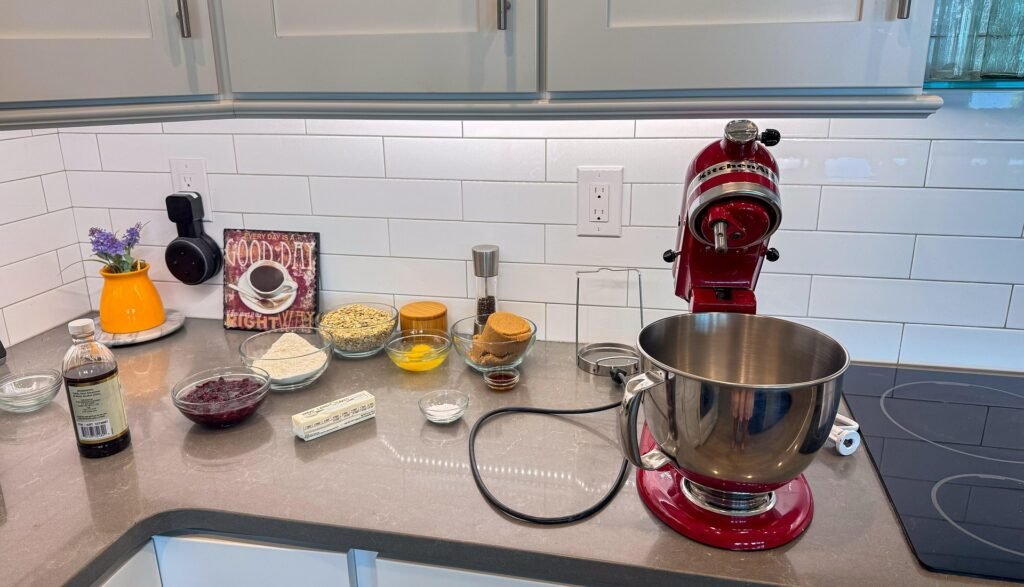
You don’t need a commercial kitchen or expensive equipment to practice mise en place. A few simple habits can dramatically improve your workflow.
Before you begin cooking:
- Read the recipe from start to finish.
- Gather every ingredient you’ll need.
- Wash and prepare vegetables.
- Measure spices, liquids, and dry ingredients.
- Trim and portion proteins.
- Place ingredients into small bowls or containers.
- Arrange your tools and cookware within easy reach.
- Clear your workspace before turning on the stove.
Once cooking begins, avoid stopping to prepare additional ingredients unless the recipe specifically requires it. Staying focused on cooking instead of preparation leads to smoother, more consistent results.
Chef’s Tip: Clean as you go. Returning utensils to the sink or dishwasher and wiping your workspace between steps keeps your kitchen organized and prevents cleanup from becoming overwhelming.
Essential Mise en Place Equipment
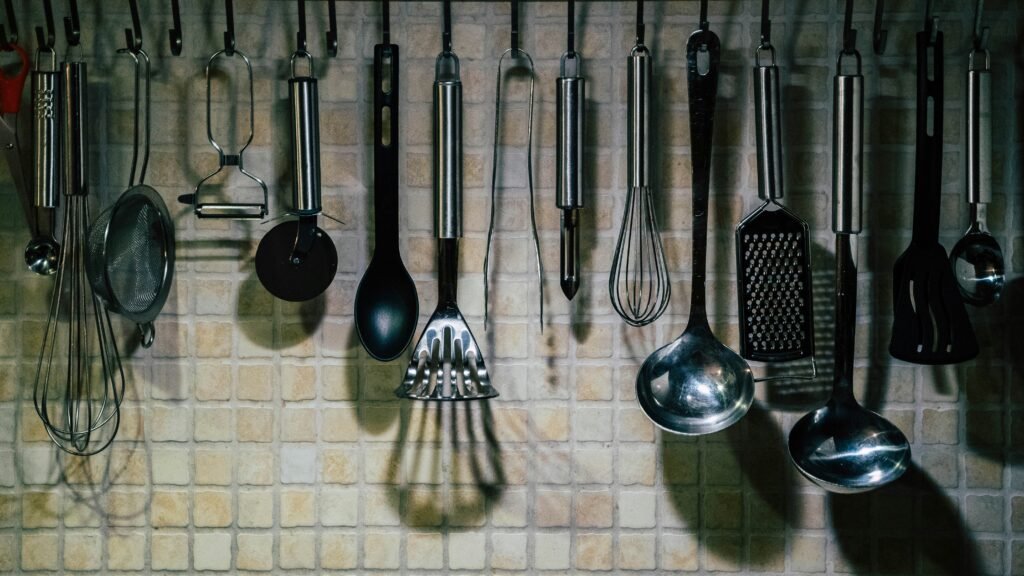
You don’t need expensive restaurant equipment to practice mise en place effectively. Most home cooks already own nearly everything required. The goal is organization, not buying more tools.
Mixing bowls
Small bowls are perfect for holding chopped vegetables, spices, herbs, sauces, and measured ingredients.
Measuring cups and spoons
Measure ingredients before cooking begins so you’re never scrambling during the recipe.
Sharp chef’s knife
A quality chef’s knife speeds up preparation and produces more consistent cuts.
Cutting board
Use a large cutting board with enough space to prepare multiple ingredients comfortably.
Prep containers
Reusable glass or plastic containers make it easy to organize ingredients, especially when meal prepping.
Kitchen towels
Keep a towel nearby to wipe hands, dry vegetables, and clean your workstation throughout cooking.
Common Mistakes Beginners Make
Like any cooking skill, mise en place takes practice. Beginners often make a few simple mistakes that reduce their effectiveness.
Skipping the recipe review
Always read the recipe completely before beginning. Surprises halfway through can ruin your workflow.
Preparing too little space
Crowded countertops quickly become cluttered. Clear your workspace before starting.
Forgetting equipment
Don’t just prepare ingredients—make sure pans, utensils, measuring tools, and serving dishes are ready too.
Over-prepping
Only prepare ingredients you’ll actually use. Chopping unnecessary items wastes time and can reduce freshness.
Ignoring cleanup
Professional kitchens clean continuously. Washing bowls and wiping counters as you cook keeps the kitchen manageable.
Frequently Asked Questions
Do I need special equipment for mise en place?
No. Most home cooks already own everything they need. Small bowls, measuring cups, a cutting board, and a good knife are enough to begin practicing mise en place.
Is mise en place only for professional chefs?
No. Home cooks often benefit even more because preparing ahead reduces stress and makes cooking much more enjoyable.
How long should mise en place take?
For most meals, 5–15 minutes of preparation saves much more time during cooking.
Should I always prepare every ingredient first?
Yes, unless you’re making a recipe where ingredients must be prepared while something cooks.
Final Thoughts
Mise en place is one of the simplest habits that separates professional kitchens from chaotic home cooking. Spending a few minutes organizing ingredients, tools, and your workspace before you begin allows you to cook with greater confidence, consistency, and less stress. Whether you’re making dinner for your family or preparing a holiday meal, this professional system can immediately improve your results.